Yusuf Defection Rumours Rekindle Kano Emirate Tensions
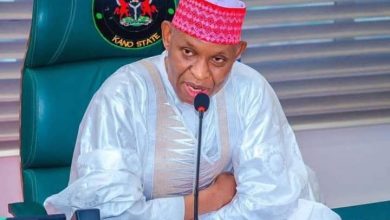
Speculation over a possible defection of Kano State Governor, Abba Kabir Yusuf, from the New Nigeria Peoples Party (NNPP) to the All Progressives Congress (APC) has reignited concerns around the unresolved Kano emirate crisis involving Emir Muhammadu Sanusi II and Aminu Ado Bayero.
Political observers say the rumoured move could further destabilise the already fragile balance between tradition and politics in Kano, where the prolonged emirship dispute has remained a source of tension since 2020.
Reports indicate that Yusuf recently held a closed-door meeting with President Bola Tinubu in Abuja, a development believed to be linked to his alleged plans to defect to the ruling party after several postponements.
The emirate crisis began under former governor Abdullahi Ganduje, who dethroned Sanusi in 2020 and installed Bayero following the creation of additional emirates. When Yusuf assumed office in 2023, his administration repealed the law, restored the single emirate structure, and reinstated Sanusi, while Bayero was asked to vacate the palace.
Bayero, however, rejected the decision and relocated to the Nassarawa mini palace under heavy security, challenging his removal in court. In March, the Court of Appeal advised all parties to maintain the status quo pending a Supreme Court ruling, leaving the matter unresolved.
Analysts warn that Yusuf’s alleged defection could weaken Sanusi’s position, particularly if political alignments between the state and federal governments shift. Supporters of Bayero view the development as a possible opening for renewed legal and political efforts to reclaim the throne.
Speaking on Arise Television, political analyst Sumner Sambo cautioned that a defection could deepen the crisis and pose security risks, noting that Sanusi currently lacks formal police protection. He warned that any attempt to reinstate Bayero could spark unrest in the state.
Another analyst, Nduka Odo of Peaceland University, Enugu, said the fate of the rival emirs largely depends on political relationships rather than institutional safeguards, describing the situation as evidence of systemic failure. He criticised the judiciary for not conclusively resolving the dispute.
Similarly, civil rights advocate Olu Omotayo blamed the prolonged crisis on judicial delays, describing the existence of two emirs as an abnormality that undermines governance and security in Kano.
As uncertainty persists, observers caution that any political realignment ahead of the 2027 elections could further inflame tensions unless the courts decisively resolve the emirship dispute.