Iran War Puts US Vice President JD Vance in Tough Spot Ahead of 2028 Presidential Race
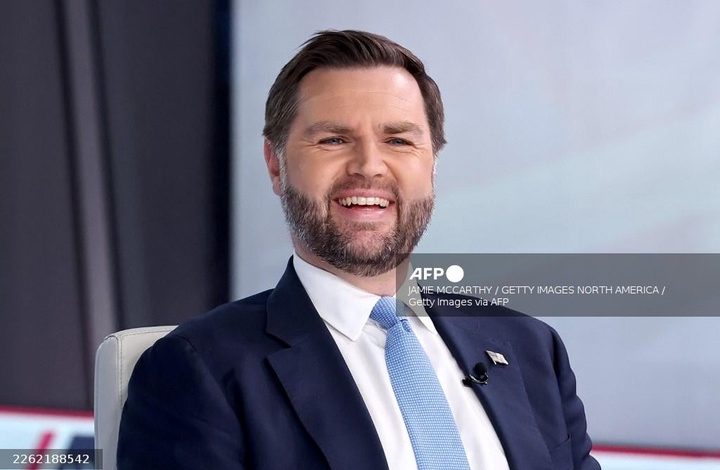
According to Punch, The ongoing conflict involving Iran has placed JD Vance, the Vice President of the United States, in a delicate political position as speculation grows about his possible run for the White House in 2028.
Since the start of the war, Vance has largely kept a low public profile, a move political observers say may be carefully calculated.Vice President JD Vance Visits FOX News Channel’s “The Story With Martha MacCallum”
The 41-year-old former U.S. Marine, who previously served in Iraq, built his political reputation as a leader who opposes long foreign wars and believes the United States should avoid unnecessary military interventions abroad.
However, the current conflict has created a complicated situation for the vice president.
On one hand, he must remain loyal to President Donald Trump and the administration’s policies toward Iran. On the other hand, he must also consider the views of many supporters within the “Make America Great Again” movement, who are often skeptical about overseas military involvement.
Analysts say balancing these two positions is not easy, especially for a politician widely seen as a potential candidate for the 2028 presidential election.
Vance’s supporters admire his earlier stance against prolonged military engagements, which resonated strongly with voters tired of long wars in the Middle East.
But the recent military action against Iran, reportedly carried out under an operation known as Operation Epic Fury, has forced many political figures in Washington to clarify their positions.
Even President Trump has acknowledged that he and his vice president have not always fully agreed on how the situation should be handled.
Despite those differences, Vance has avoided making strong public statements that could put him at odds with the administration or alienate conservative voters.
Political strategists say his cautious approach may be an attempt to maintain unity within the Republican Party while keeping his future political options open.
For voters watching from across the United States, the situation highlights the difficult choices political leaders sometimes face when international conflicts intersect with domestic politics.
Foreign policy decisions can influence public opinion, shape party debates, and even determine the political fortunes of future presidential candidates.
As the conflict continues to unfold, many observers believe Vance will eventually need to take a clearer position on the war.
Until then, the vice president appears to be walking a careful political line—supporting his administration while also protecting the political identity that helped build his national profile.National News…