We Sent 100 Rice Trailers To Kano Of Rice, It Was Returned; They Said Goodluck’s Rice Eaters Would Die-Umar Sani

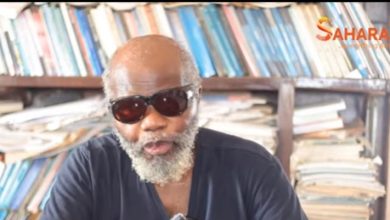
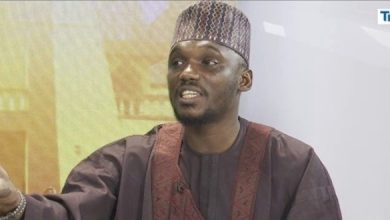
A chieftain of the Peoples Democratic Party (PDP), Umar Sani, has raised concerns about the increasing role of vote buying in Nigeria’s electoral process while also emphasizing that citizens still possess the power to resist and overcome the practice through collective action.
Sani made the remarks during a recent interview on SYMFONI TV, where he discussed the growing influence of financial inducements in elections across the country. According to him, although vote buying has gradually become more common in Nigeria’s democratic system, it does not necessarily determine the final outcome of elections when voters are well informed and organized.
He explained that public awareness and coordinated resistance among citizens can significantly reduce the effectiveness of such tactics. In his view, when voters understand the long-term consequences of selling their votes, they can come together to reject inducements offered during election periods.
To illustrate his argument, Sani recalled an incident that occurred during the administration of former President Goodluck Jonathan. He said the episode showed how political messaging and public mobilization can shape voters’ reactions to incentives distributed during campaigns.
According to him, during that period, about 100 trailers of rice were reportedly sent to Kano State as part of political outreach efforts. However, he claimed the items were returned after a narrative spread among the public that anyone who consumed the rice associated with Jonathan would die. The story, he said, demonstrated how powerful political messaging could influence public perception and discourage voters from accepting such inducements.
Sani explained that while the claim itself reflected the intense political rivalry of the time, it also highlighted how organized narratives and public mobilization could neutralize attempts to sway voters through material incentives.
He further noted that recent political developments across Nigeria have shown that incumbency and financial influence do not always guarantee electoral victory. According to him, there have been cases where opposition candidates successfully defeated sitting governors despite widespread assumptions that large sums of money were being used during campaigns.
As examples, he mentioned politicians such as Ahmadu Umaru Fintiri of Adamawa State and Bala Mohammed of Bauchi State, who, he said, secured electoral victories in highly competitive political environments.
Sani concluded by stressing that although vote buying has become an entrenched challenge in parts of Nigeria’s democratic process, voter consciousness, civic education, and collective resistance remain powerful tools that can ultimately shape election outcomes and strengthen democratic accountability.National News…